
What Makes an Apartment Work Well for Hybrid Employees?
The shift toward hybrid work has changed how people evaluate their living spaces. An apartment is no longer just a place to relax after the workday; for many professionals, it also serves as an office, meeting space, and environment for focused productivity. People searching for West Philadelphia apartments increasingly benefit from considering how a home supports both professional responsibilities and personal comfort. A well-designed space can make it easier to transition between work and leisure, maintain a consistent routine, and avoid the frustrations that come with trying to work in a space that was never intended to accommodate a home office.
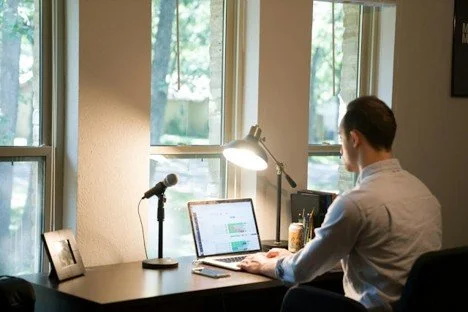
The shift toward hybrid work has changed how people evaluate their living spaces. An apartment is no longer just a place to relax after the workday; for many professionals, it also serves as an office, meeting space, and environment for focused productivity. People searching for West Philadelphia apartments increasingly benefit from considering how a home supports both professional responsibilities and personal comfort. A well-designed space can make it easier to transition between work and leisure, maintain a consistent routine, and avoid the frustrations that come with trying to work in a space that was never intended to accommodate a home office.
A Floor Plan That Supports Productivity
One of the most important considerations for hybrid employees is the apartment's layout. Professionals who work from home several days a week need enough room to establish a comfortable workspace without sacrificing the functionality of the rest of the home.
An open floor plan can create a sense of spaciousness, but it does not automatically provide the best working environment. A studio or one-bedroom apartment may be perfectly suitable for remote work if the layout allows for a dedicated desk, comfortable seating, and sufficient separation between work and relaxation. Even a small alcove, an unused corner, or a section of a larger living room can become an effective office with thoughtful furniture placement.
For people who spend much of their workday on video calls, having a consistent background and a place to keep work materials organized can make a noticeable difference. A floor plan that accommodates these needs helps prevent the home from feeling like a workplace around the clock.
Storage also matters. Shelving, closets, and cabinets can keep office supplies, paperwork, and technology accessories out of sight when the workday ends. The ability to put work away physically can make it easier to disconnect mentally.
Reliable Internet Access Is Essential
A dependable internet connection is a basic requirement for hybrid employees. Virtual meetings, cloud-based applications, file transfers, and collaborative platforms all rely on consistent connectivity. A connection that frequently drops or struggles with multiple devices can interrupt productivity and create unnecessary stress.
Before signing a lease, prospective renters should determine which internet service providers serve the building and what connection options are available. Fiber internet, when offered, can provide fast speeds and strong performance, although the best option depends on the provider's network, service plan, and the household's needs.
It is also worth considering where the router can be placed. A workspace located far from the router or behind several walls may experience weaker Wi-Fi coverage. Apartments with practical layouts make it easier to position a desk where the connection remains stable.
Employees who participate in frequent video conferences may also want to consider backup connectivity options, such as a mobile hotspot. Reliable internet is particularly important for workers whose responsibilities involve real-time collaboration, client communication, or access to secure company systems.
Natural Light and Comfortable Working Conditions
The physical environment can influence concentration, energy levels, and overall well-being. An apartment with good natural light can make a home workspace feel more inviting and comfortable throughout the day.
Natural light can help create a pleasant atmosphere and support a regular daily rhythm. However, direct sunlight can also produce glare on computer screens, so window placement, curtains, and blinds should be considered when choosing where to work.
Research published in the International Journal of Environmental Research and Public Health found that office workers scored 42% higher on cognitive performance assessments in an environment with optimized daylight and outdoor views compared with one featuring traditional blinds. Participants also slept an average of 37 minutes longer under the improved lighting conditions. Although the study involved a relatively small group, the findings highlight how natural light and window design may contribute to a more comfortable and productive home workspace.

Space for an Ergonomic Home Office
Working from a kitchen counter or couch may be manageable occasionally, but these arrangements can become uncomfortable when repeated several days each week. A suitable apartment should provide enough space for a more ergonomic setup.
Ideally, hybrid employees should have room for a desk that accommodates their computer, keyboard, and other frequently used equipment. A supportive chair with adjustable features can help maintain a comfortable posture during extended work sessions. Monitor stands, laptop risers, and external keyboards can further improve workstation ergonomics.
The workspace does not need to occupy an entire room. Compact desks, wall-mounted shelves, folding tables, and multipurpose furniture can help renters make the most of limited square footage. The important consideration is whether the arrangement supports comfortable movement and allows equipment to be used without creating clutter.
Electrical outlets should also be considered. A workspace with convenient access to outlets makes it easier to power a computer, monitor, phone, and other devices without running cords across walking areas. Adequate lighting, including a desk lamp for darker afternoons, can improve comfort when daylight is limited.
Quiet Spaces and Opportunities for Privacy
Hybrid employees often move between independent tasks, virtual meetings, and collaborative conversations throughout the day. An apartment that offers some degree of privacy makes these transitions easier.
A separate bedroom can provide a useful location for a home office, particularly for people who need a quieter environment for confidential calls. However, renters should consider how they will use the space outside working hours. Turning a bedroom into a permanent office may not be ideal if it leaves little room for other furniture or activities.
In smaller apartments, noise-reducing curtains, rugs, bookcases, and upholstered furniture can help soften sound within the unit. Noise-canceling headphones may also be useful, although they cannot replace an adequately quiet environment for every type of work.
People who share their apartment with a partner, children, or roommates should think about overlapping schedules. A layout that allows one person to attend a meeting while another cooks, studies, or relaxes can reduce daily conflicts. Privacy is not simply a luxury for remote employees; it can be a practical requirement for maintaining professional boundaries.
Amenities That Make Remote Work Easier
Apartment amenities can provide valuable alternatives when working exclusively from home becomes tiring. A building with a dedicated coworking area, business lounge, or reservable meeting room gives residents access to a professional environment without requiring a daily commute.
These spaces can be particularly useful for employees who live in compact apartments or need a change of scenery for certain assignments. Before relying on a shared workspace, renters should check its availability, noise levels, seating arrangements, internet access, and reservation policies.
Other amenities can support the broader workday. A fitness center makes it easier to incorporate exercise between meetings, while outdoor seating areas provide opportunities to take breaks away from a screen. Secure package delivery can reduce interruptions, and on-site laundry facilities can simplify household responsibilities.
Building access and maintenance services also deserve consideration. Convenient entry, responsive management, and a clear process for reporting maintenance problems can help prevent household issues from becoming prolonged distractions during the workweek.
A Convenient Location for Office Days
Even employees who work from home most of the week need to consider transportation. Hybrid schedules may require commuting to an office for team meetings, training sessions, presentations, or client appointments.
An apartment near public transportation, major roads, or commonly used commuter routes can make those trips more manageable. Access to grocery stores, pharmacies, restaurants, and other everyday services is also valuable because it reduces the time spent running errands before or after work.
Walkability can be an additional advantage. Being able to take a short walk for coffee, lunch, or fresh air provides a convenient way to break up the day. Nearby parks and recreational spaces can offer a welcome change of scenery after hours spent indoors.
The ideal location depends on how frequently an employee travels to the office and how they prefer to spend their free time. A slightly longer commute may be worthwhile for someone who prioritizes a quiet neighborhood, while another renter may prefer to live closer to transit and daily conveniences.
Choosing a Home That Supports Life Beyond Work
A successful hybrid-work arrangement depends on more than a laptop and a reliable internet connection. The apartment itself can influence concentration, comfort, organization, and the ability to maintain healthy boundaries between professional responsibilities and personal time.
A thoughtful floor plan, sufficient natural light, reliable connectivity, manageable noise levels, and convenient amenities can make working from home significantly easier. Location, affordability, and access to transportation also help determine whether an apartment fits a person's broader lifestyle.
Prospective renters should consider how they will use the space throughout an ordinary week, from early-morning meetings to evening relaxation. An apartment that supports both productivity and downtime can help hybrid employees create a more sustainable routine, making home a place where they can work effectively without losing sight of everything they enjoy outside the office.