
Why University City Has So Many Different Types of Housing
Walk through University City and the housing landscape can change noticeably from one block to the next. Historic homes with front porches sit near converted properties, traditional walk-up buildings and contemporary apartment towers. New multifamily developments continue to add another layer to the mix. For anyone considering apartments in University City, that variety means there is no single definition of what living in the neighborhood looks like. Instead, the housing reflects the area's long history, changing population and continued growth.
A Neighborhood That Has Evolved Over Time
The variety of housing in University City is closely tied to how the neighborhood developed. Unlike a planned community built during one particular period, the area has continued changing as Philadelphia's population, universities, medical institutions and economy have evolved.
Older residential sections developed around Philadelphia's streetcar suburbs and include substantial historic homes. Areas such as Spruce Hill, Powelton Village and Cedar Park contain large houses that reflect the architectural styles and residential patterns of earlier generations.
Many of those buildings have also taken on new uses over time. A large historic house may now contain multiple apartments rather than functioning as a single-family residence. Other older properties have been renovated while retaining architectural details that give the neighborhood its distinctive character.
That creates an interesting contrast. Someone walking through the neighborhood might see a row of traditional Philadelphia homes on one block and a contemporary multifamily building just a few streets away.
Historic Homes With New Uses
One of the most interesting aspects of University City's housing is the way older buildings have been incorporated into modern city life. Large Victorian-era houses, brownstones and other historic properties were originally designed for families. As the neighborhood's population and housing needs changed, many of these structures were divided into apartments. That allowed buildings with substantial amounts of space to continue serving a residential purpose while accommodating more households.
Powelton Village provides a good example of this evolution. The neighborhood is known for its Victorian homes, many of which have been divided into apartments over the years. For people who appreciate character and older architecture, that can be a major part of the appeal.
The Rise of Modern Apartment Towers
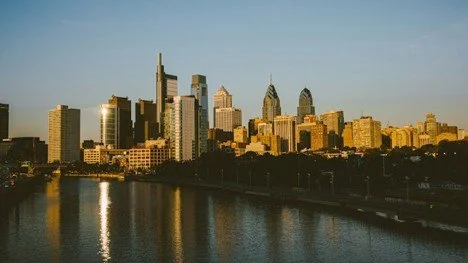
The skyline tells a different story.
Over the past several decades, University City has experienced substantial private investment and residential development. Contemporary apartment towers have introduced a very different type of housing to an area historically known for rowhouses, Victorian homes and smaller apartment buildings.
The neighborhood has added hundreds of new multifamily units and has thousands more in development, reflecting continued demand for housing. These newer buildings can offer features that are difficult to provide in older properties, including elevators, contemporary floor plans, fitness facilities, lounges, rooftop spaces and other shared amenities. Their vertical design also allows more households to live close to major employment centers, universities, restaurants and transportation.
The growth of these buildings is connected to more than student housing. University City's expanding employment base includes major healthcare, education, research and life-sciences institutions, creating demand from professionals as well as students.

New Multifamily Development Adds Another Layer
Modern towers are only part of the neighborhood's newer housing story. Multifamily development has also introduced mid-rise and mixed-use buildings that combine apartments with retail, restaurants, offices or community spaces.
This type of development can change the experience of living in a particular area. Instead of simply having an apartment building surrounded by other residential properties, homeowners or renters may have shops, restaurants, services and gathering spaces incorporated directly into the neighborhood.
Different Housing, Different Experiences
The variety of housing also means that apartment living can feel very different depending on where you are within University City.
A converted Victorian home in Spruce Hill may offer a quieter, residential atmosphere with historic architecture and tree-lined streets. A walk-up closer to a commercial corridor may provide a more traditional Philadelphia neighborhood experience, with shops and restaurants nearby. A modern high-rise can offer a more contemporary lifestyle, with shared amenities, elevators and views across the city. Meanwhile, newer multifamily developments continue to introduce additional options as the neighborhood grows.
This diversity is part of what makes University City unique. Smaller neighborhoods have their own personalities, with active community organizations contributing to the character of individual areas.
Housing That Reflects a Changing Neighborhood
University City's housing variety ultimately reflects the neighborhood itself. It is simultaneously a historic residential area, a major university district, a healthcare and research center, a transportation hub and one of Philadelphia's most active development areas.
Those roles have created demand for different types of housing over generations, and as University City continues to attract students, professionals, families, researchers and longtime Philadelphians, its housing will continue to evolve alongside the people who call the neighborhood home. The result is a residential environment where the architecture and housing stock tell part of the story of how University City became what it is today.